Professional Mold Remediation in Orlando, FL: What Is Involved and What to Expect
Finding mold in your home can be unsettling, especially when you're not sure how serious the problem is or what needs to happen next. Whether it's a musty smell in a closet, a dark spot on the ceiling, or a mold callout on a home inspection report, understanding what is involved in mold remediation can help you feel more confident about the process. Mold remediation in Orlando, FL follows a structured approach designed to identify the source, remove contamination safely, and confirm the space is truly clean, not just cleaned on the surface.
Common Signs You May Need a Mold Inspection
Mold isn't always visible right away. Homeowners throughout Orlando often notice one or more of these warning signs before realizing mold is present:
- A musty, earthy odor that doesn't seem to have an obvious source
- Dark spots on walls, ceilings, or grout lines
- A history of water damage from a past leak or flooding event
- Allergy-like symptoms that improve when away from the home
- Discoloration near HVAC vents or under sinks
- Peeling paint or warped surfaces in moisture-prone rooms
If any of these sound familiar, it's worth having the space professionally assessed rather than waiting to see if it goes away on its own.
Why DIY Mold Removal Often Falls Short
It's tempting to reach for bleach and handle mold yourself, but surface cleaning only addresses what you can see. Mold growing inside drywall, subflooring, or behind cabinetry often goes untouched, and disturbing it without proper containment can push spores through the HVAC system, spreading the problem to other rooms.
DIY cleaning also skips a few important steps: identifying the underlying moisture source, documenting findings for insurance or real estate purposes, and confirming afterward that air quality actually meets safe levels. Without these steps, mold frequently returns.
What Is Involved in Mold Remediation? A Step-by-Step Breakdown
1. Inspection and Assessment
The process typically begins with a certified inspection using moisture meters and air quality testing tools to identify both visible mold and hidden moisture pockets behind walls or under flooring.
2. Clear Scope and Written Estimate
A straightforward written plan outlines what needs remediation, why it's necessary, and what it will cost, ideally with photos and plain-language explanations rather than technical jargon.
3. Containment and Negative Air Pressure
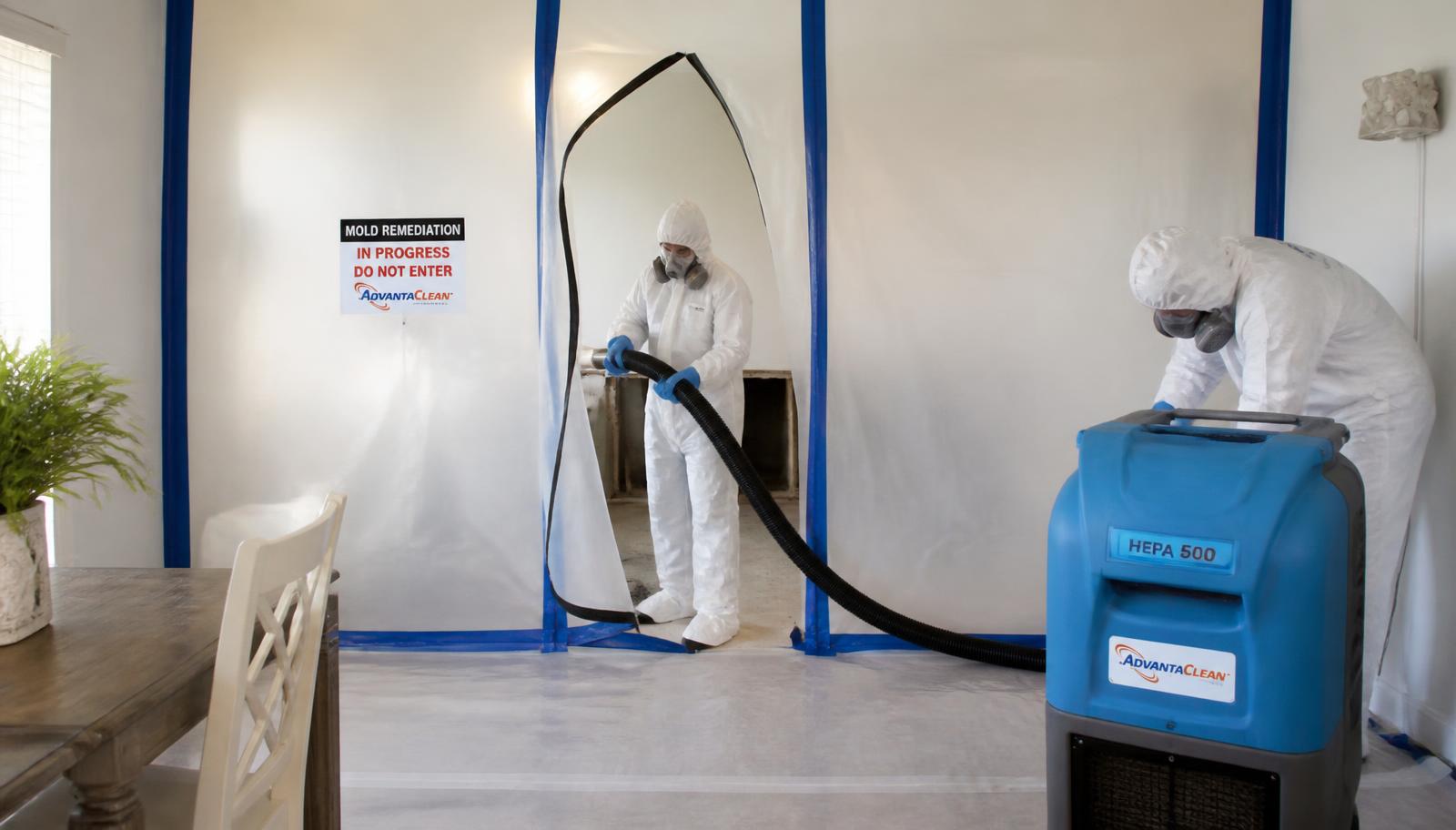
Before removal begins, the affected area is sealed off using physical barriers and HEPA-filtered negative air machines. This step is critical for preventing spores from spreading through the rest of the home during the work.
4. Removal of Affected Materials
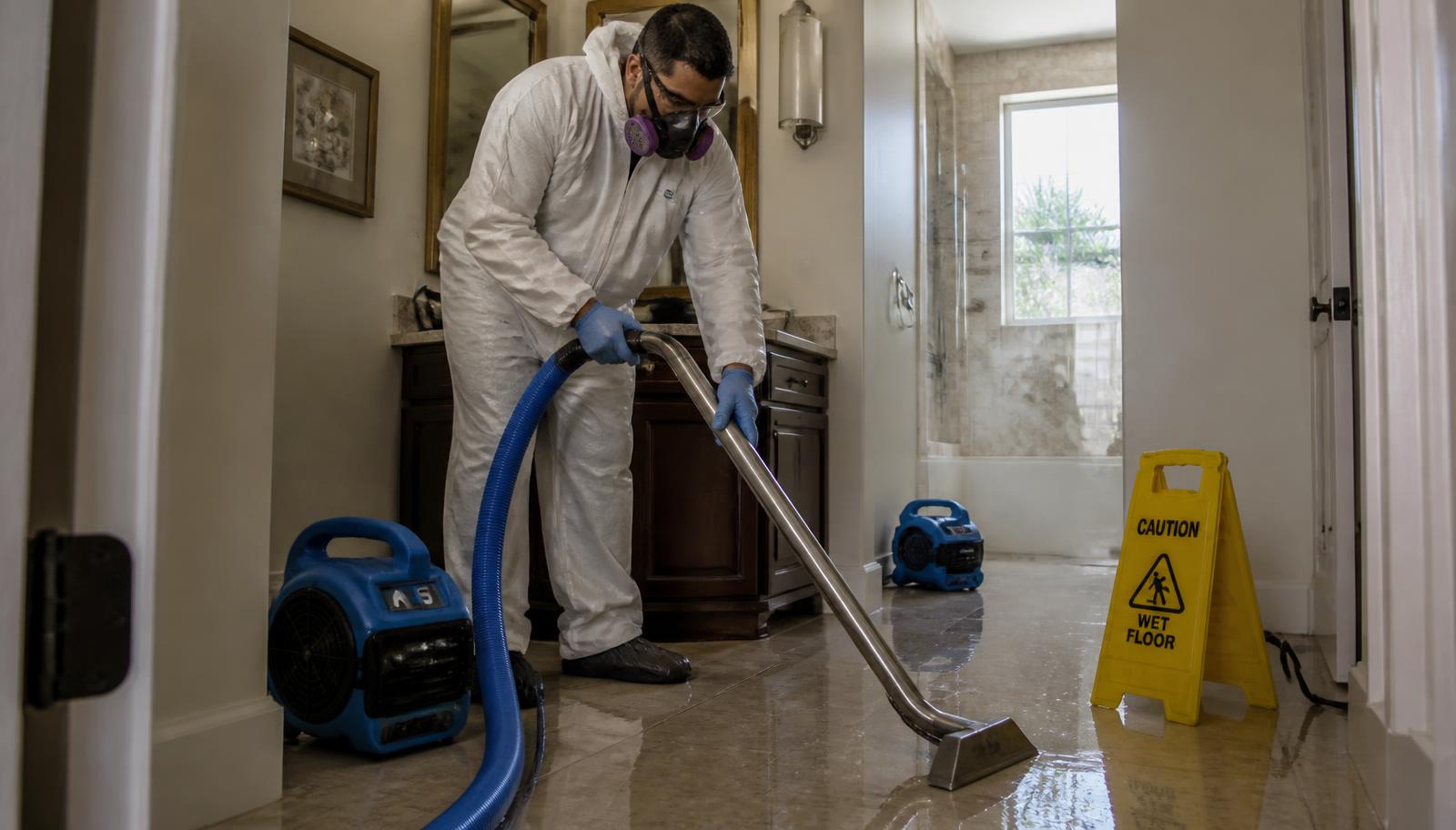
Contaminated drywall, insulation, flooring, and other porous materials are safely removed following established remediation protocols, since these materials often can't be fully cleaned once mold has taken hold. When the contamination stems from a sewer backup or greywater event, our sewage cleanup team handles the biohazard portion first.
5. Antimicrobial Treatment and Sanitization
Remaining surfaces are treated with antimicrobial solutions to eliminate residual spores and help block regrowth, using products that are safe for households with children and pets.
6. Moisture Source Repair
Every mold problem has a moisture source, whether it's a leaky roof, plumbing issue, or ventilation problem. Identifying and addressing that source is essential, since remediation without fixing the underlying cause often leads to recurring mold. Our guide on how professional water damage restoration prevents costly repairs covers why fast moisture control matters so much in Florida's climate.
7. Clearance Testing and Documentation
Once remediation is complete, independent clearance testing confirms that air and surfaces meet acceptable standards. A full report is typically provided for your records, and this documentation can also be important for insurance claims, home sales, or property management purposes.
Why This Process Matters for Orlando Homeowners
Central Florida's humidity and frequent rain create favorable conditions for mold growth year-round, which is why a thorough, verified process matters more here than in drier climates. Skipping steps like containment or clearance testing might save time upfront, but it often leads to repeat problems and additional costs later.
This is especially important for specific situations, such as:
- Homebuyers dealing with a mold finding on an inspection report that could stall a closing
- Property managers who need clear documentation for ownership groups
- Families concerned about indoor air quality after noticing allergy symptoms or a persistent odor
Choose Experienced Mold Remediation in Orlando, FL
If you've noticed a musty smell, visible discoloration, or a mold finding on an inspection report, don't wait to get answers. Lanstar USA Corp has provided certified mold remediation services to homeowners throughout Orlando and all of Central Florida, combining thorough inspections with documented, verified results.
Contact Lanstar USA Corp today to schedule your inspection or learn more about our mold remediation process in Orlando, FL. Getting a clear, honest assessment is the first step toward breathing easier in your own home.
Water Damage? Call Lanstar USA Now
Our Orlando-based crew responds in 60 minutes or less — every day of the year. Licensed, insured, and IICRC certified since 2016.