Why Sewage Odors Can Return After a Backup
A room may look dry after a sewage backup and still carry a persistent odor. That smell can indicate moisture or contaminated material remains beneath the visible surface. Air fresheners and surface cleaning may temporarily mask the problem, but effective professional sewage cleanup in Orlando must address where the wastewater traveled and what it contacted.
Contaminated Water Can Travel Out of Sight
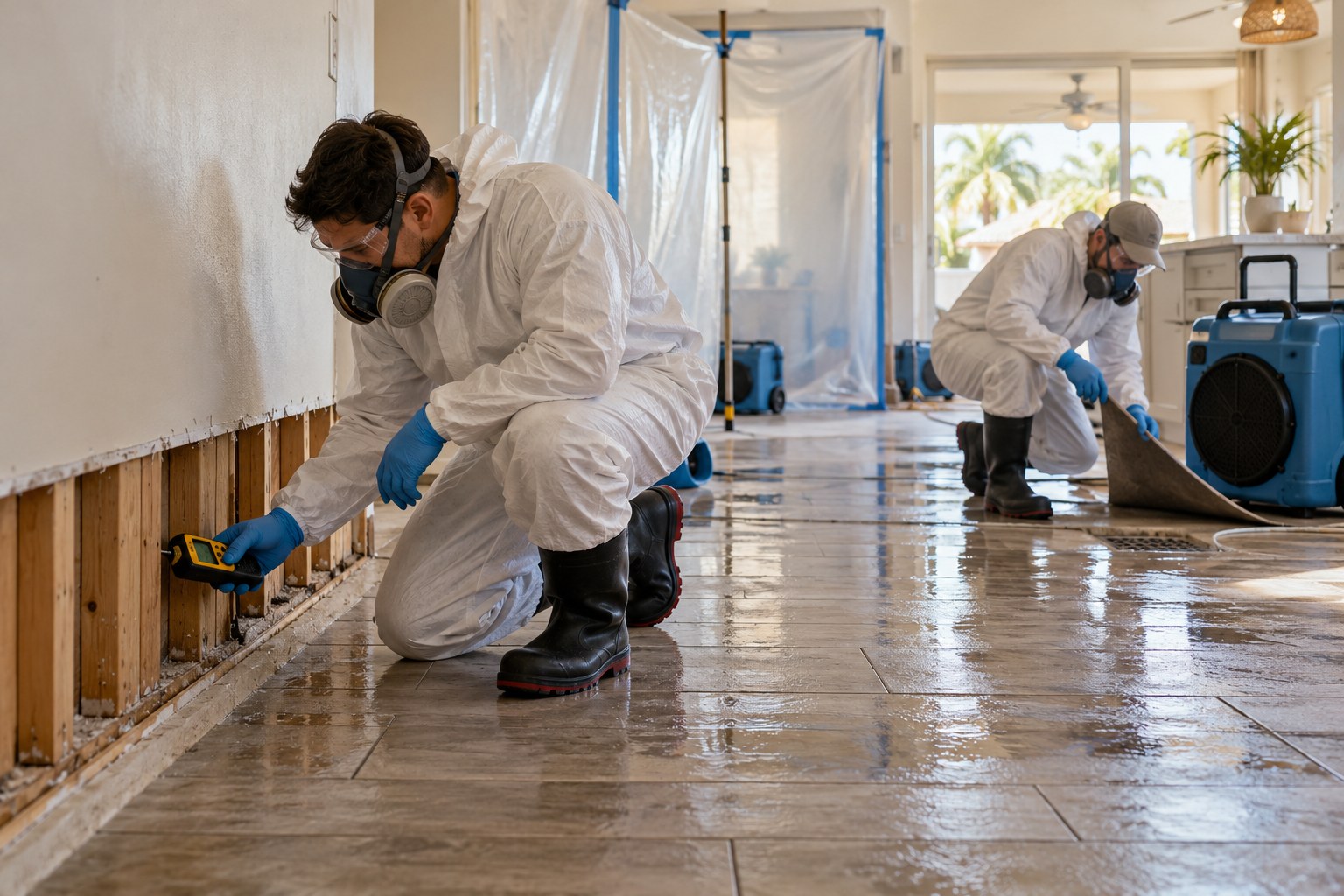
Wastewater follows seams, cracks, and low points. It can move beneath finished flooring, soak into underlayment, enter wall cavities through the bottom plate, or reach the underside of cabinets. The visible water may be extracted while moisture remains in areas that are difficult to inspect without professional meters and selective material removal.
This is the same hidden-moisture problem behind recurring water damage restoration in Orlando calls: extraction removes what you can see, while structural drying addresses what you cannot.
Porous Materials Can Hold Odor
Carpet, padding, drywall, insulation, engineered wood, and unfinished framing can absorb contaminated water. Cleaning only the exposed face may not reach what settled deeper inside. Depending on the extent of contact and the material condition, some items may require controlled removal. Remaining structural materials must be accessible for cleaning, sanitization, and drying.
Moisture Keeps the Source Active
Even after contaminated water is removed, damp subflooring, framing, or wall cavities can continue releasing odors. Orlando's warm, humid conditions can slow natural drying, especially inside enclosed assemblies. Industrial air movement and dehumidification should follow a moisture map rather than relying on whether a surface feels dry to the touch.
Deodorizers Do Not Replace Source Removal
A deodorizer can support the final stage of restoration, but it cannot substitute for extraction, containment, removal of unsalvageable materials, and proper surface treatment. If odor returns after fragrance fades, the source may still be present. Professional odor control works best after affected materials and hidden moisture have been addressed.
A Complete Cleanup Follows the Contamination Path
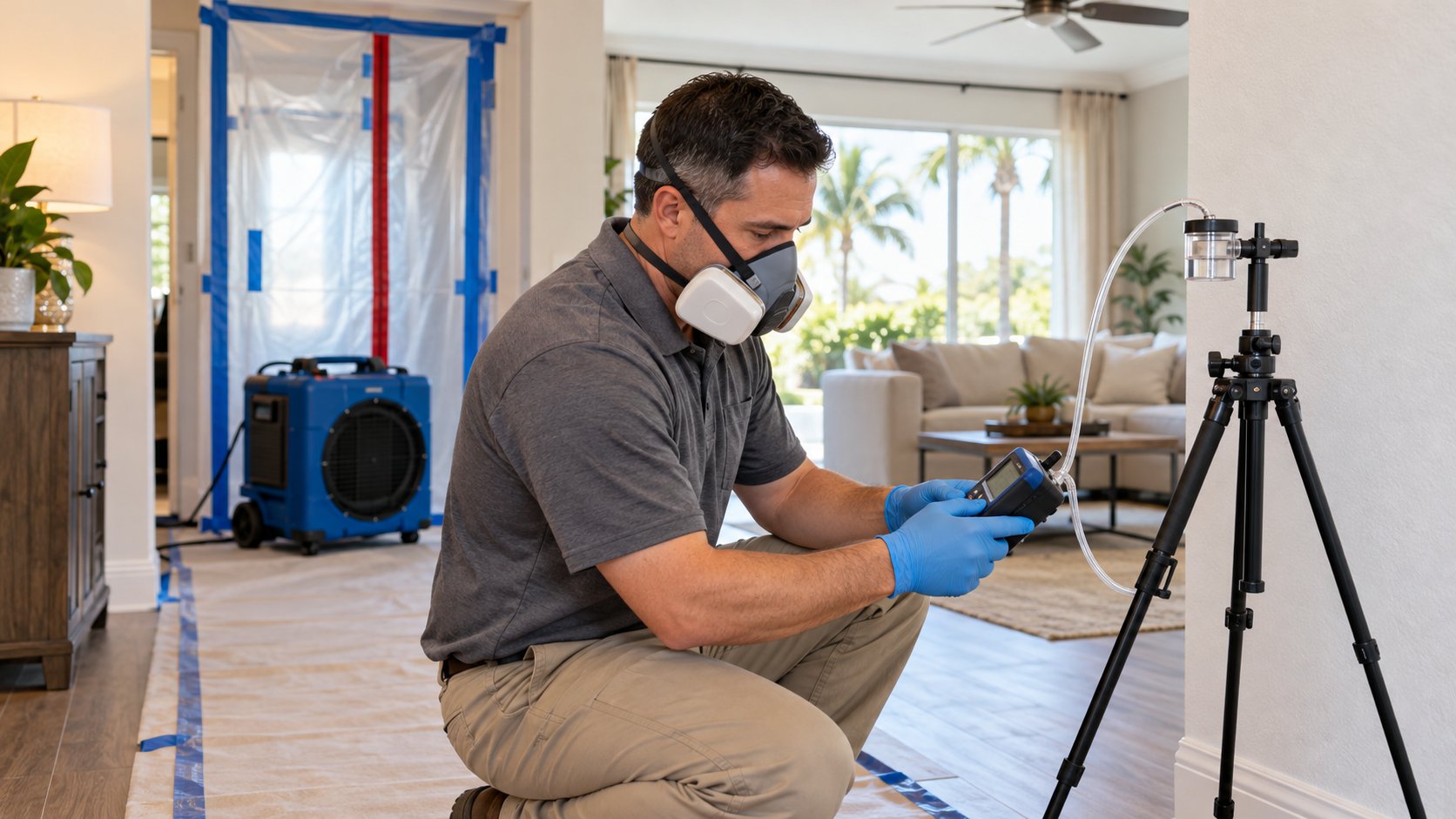
A trained team establishes containment, uses appropriate personal protective equipment, extracts standing water, and evaluates the full affected area. Moisture readings help define the boundaries. Porous materials that cannot be safely restored may be removed, while appropriate remaining surfaces are cleaned, disinfected, dried, and deodorized. Documentation can also help explain the scope to an insurance adjuster, although coverage varies by policy and cause.
Related Reading
For more Orlando restoration guidance, see what to do in the first hour of a sewage backup and our other restoration tips for Central Florida homeowners.
Professional Sewage Cleanup in Central Florida
Lanstar USA Corp provides 24/7/365 sewage and biohazard cleanup from its Orlando headquarters, serving communities across Central Florida, including Winter Park and Kissimmee. Its process includes containment, extraction, affected-material assessment, sanitization, drying, odor elimination, and insurance documentation. If an odor remains or returns after a backup, avoid disturbing suspect materials and request a professional assessment.
Still Noticing Sewage Odor After a Backup?
Call 321-234-0816 for 24/7 emergency sewage backup cleanup in Orlando and across Central Florida. Keep people and pets away from the affected area and avoid disturbing flooring or wall materials until the remaining contamination and moisture have been evaluated.
Water Damage? Call Lanstar USA Now
Our Orlando-based crew responds in 60 minutes or less — every day of the year. Licensed, insured, and IICRC certified since 2016.