Category 1, 2, and 3 Water Damage Explained
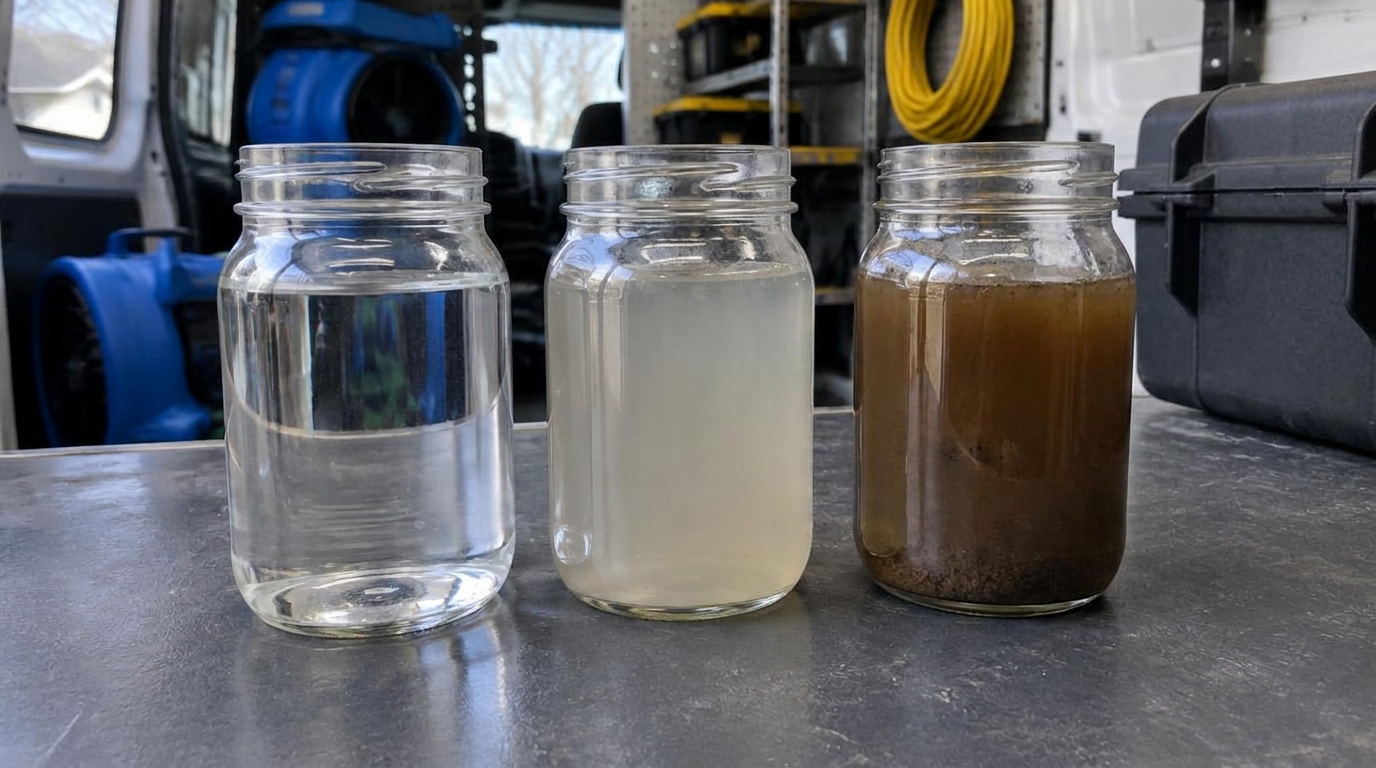
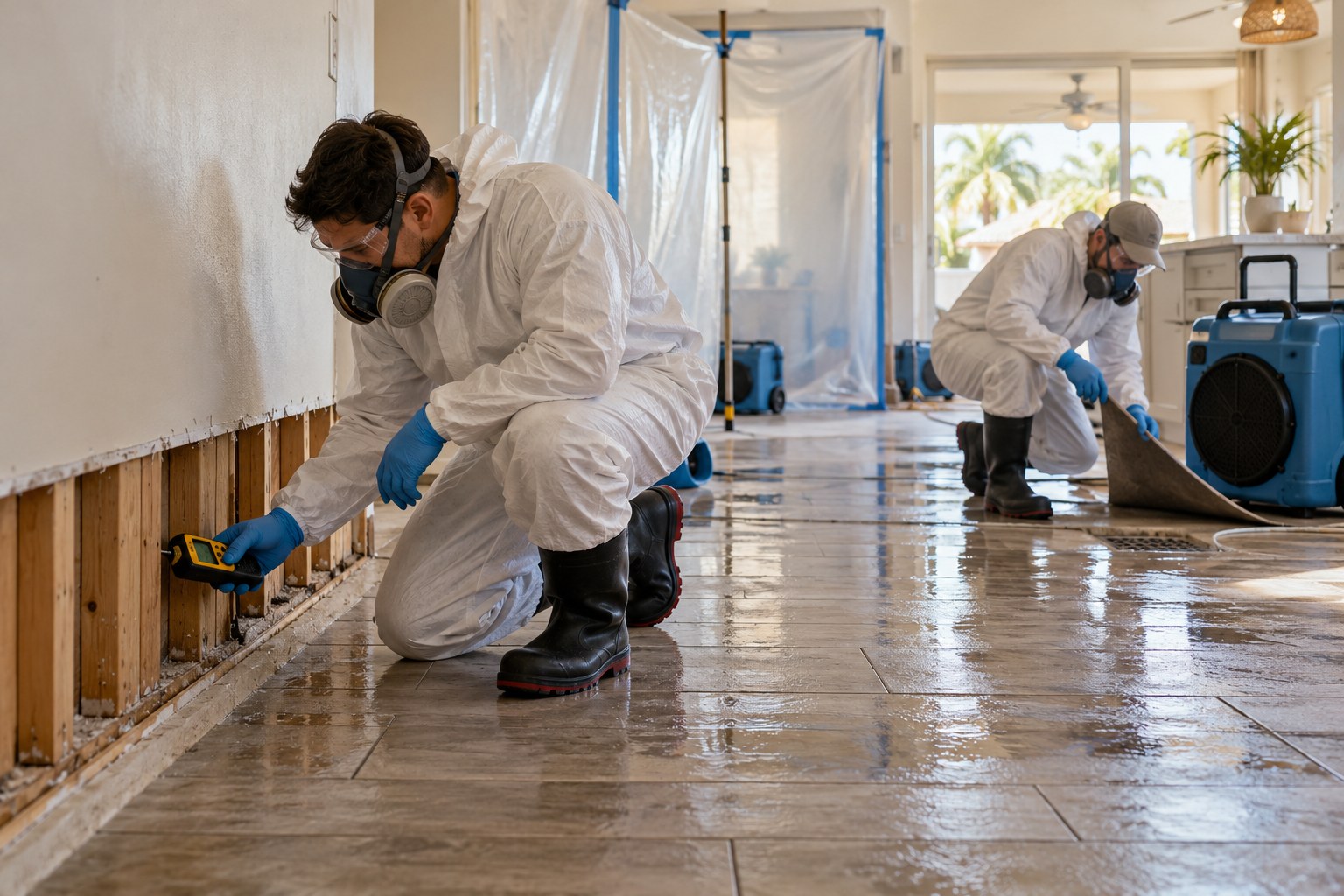
Restoration professionals follow industry standards (such as IICRC S500) that classify water by contamination level. Knowing the category helps you understand the risks and the right response.
Category 1: Clean Water
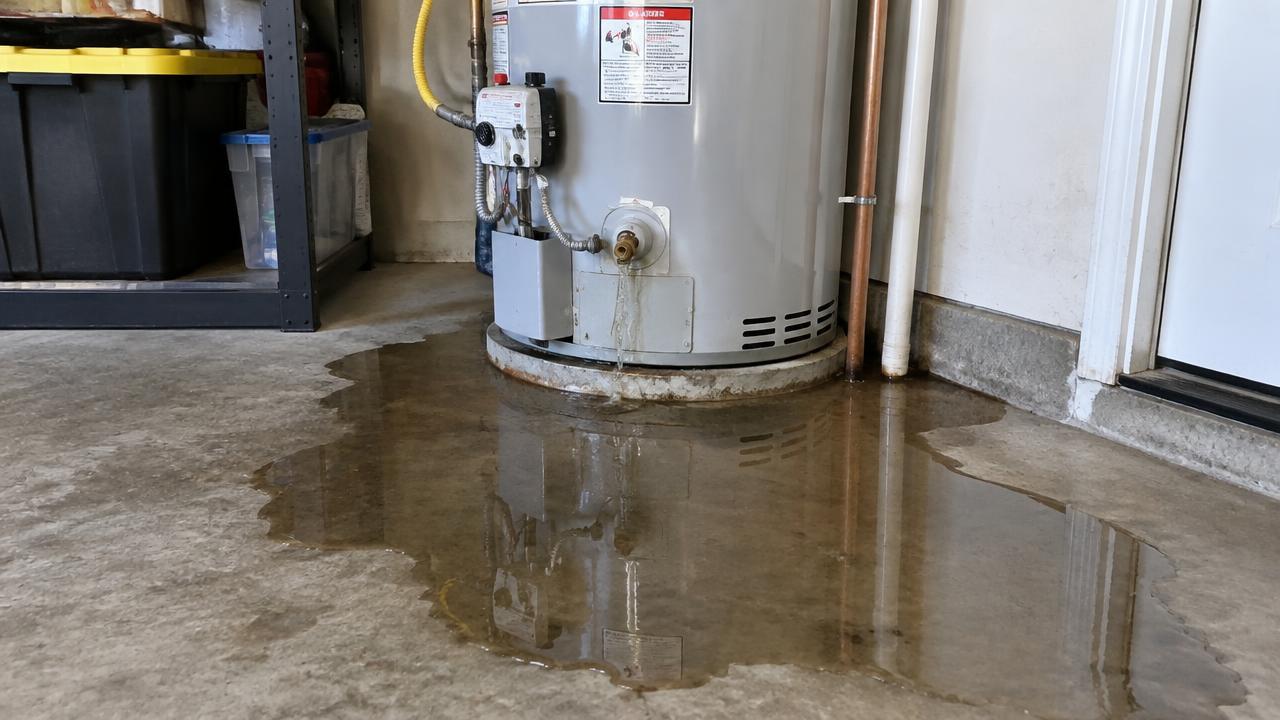
Water from a sanitary source, like a broken supply line, faucet, or water heater. It poses little immediate risk but can degrade if left standing.
Category 2: Gray Water
Water with some contamination, such as washing machine or dishwasher discharge, or toilet overflow with urine but no feces. It can cause illness if ingested.
Category 3: Black Water
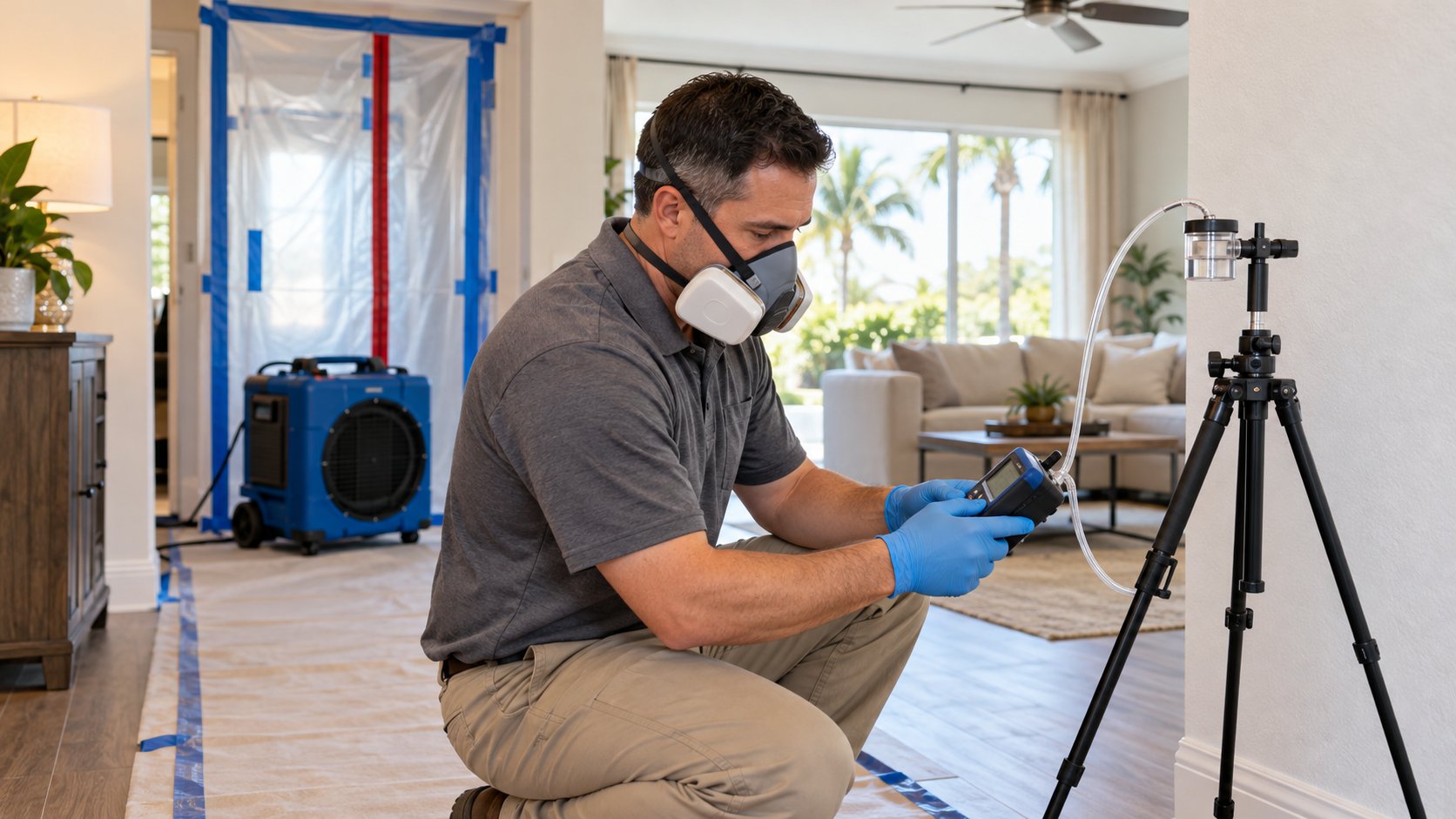
Grossly contaminated water from sewage, rising floodwater, or seawater. It may carry bacteria, viruses, and chemicals. Category 3 requires professional sewage cleanup with PPE and disinfection.
Water Can Change Categories
Clean water that sits for 48+ hours — especially in Florida heat — can become Category 2 or 3 as bacteria grow. That's another reason fast water damage restoration matters.
How Restoration Differs
- Category 1: Extraction and drying; many materials can be saved.
- Category 2: Cleaning and antimicrobial treatment; some porous items removed.
- Category 3: Removal of porous materials, full disinfection, and containment.
Related Reading
See what to do in the first hour of a sewage backup and why mold follows water damage so quickly.
Get Help From Lanstar USA Corp
Lanstar USA Corp serves Orlando and Central Florida 24 hours a day, 7 days a week. If you are dealing with this problem now, call 321-234-0816 or request a free estimate for water damage restoration in Orlando.
Water Damage? Call Lanstar USA Now
Our Orlando-based crew responds in 60 minutes or less — every day of the year. Licensed, insured, and IICRC certified since 2016.